Christmas points to one of the most remarkable events in human history. That which had been prophesied by the prophet Isaiah, often in cryptic terms, had been fulfilled – the birth of the Savior of mankind:
For to us a child is born, to us a son is given; and the government shall be upon his shoulder, and his name shall be called Wonderful Counselor, Mighty God, Everlasting Father, Prince of Peace. Of the increase of his government and of peace, there will be no end, on the throne of David and over his kingdom, to establish it and to uphold it with justice and with righteousness from this time forth and forevermore. The zeal of the Lord of hosts will do this.
(Isaiah 9:6,7)
Again the Lord spoke to Ahaz: Ask a sign of the Lord your God; let it be deep as Sheol or high as heaven.” But Ahaz said, “I will not ask, and I will not put the Lord to the test.” And he said, “Hear then, O house of David! Is it too little for you to weary men, that you weary my God also? Therefore the Lord himself will give you a sign. Behold, the virgin shall conceive and bear a son, and shall call his name Immanuel. (Isaiah 7:10-14)
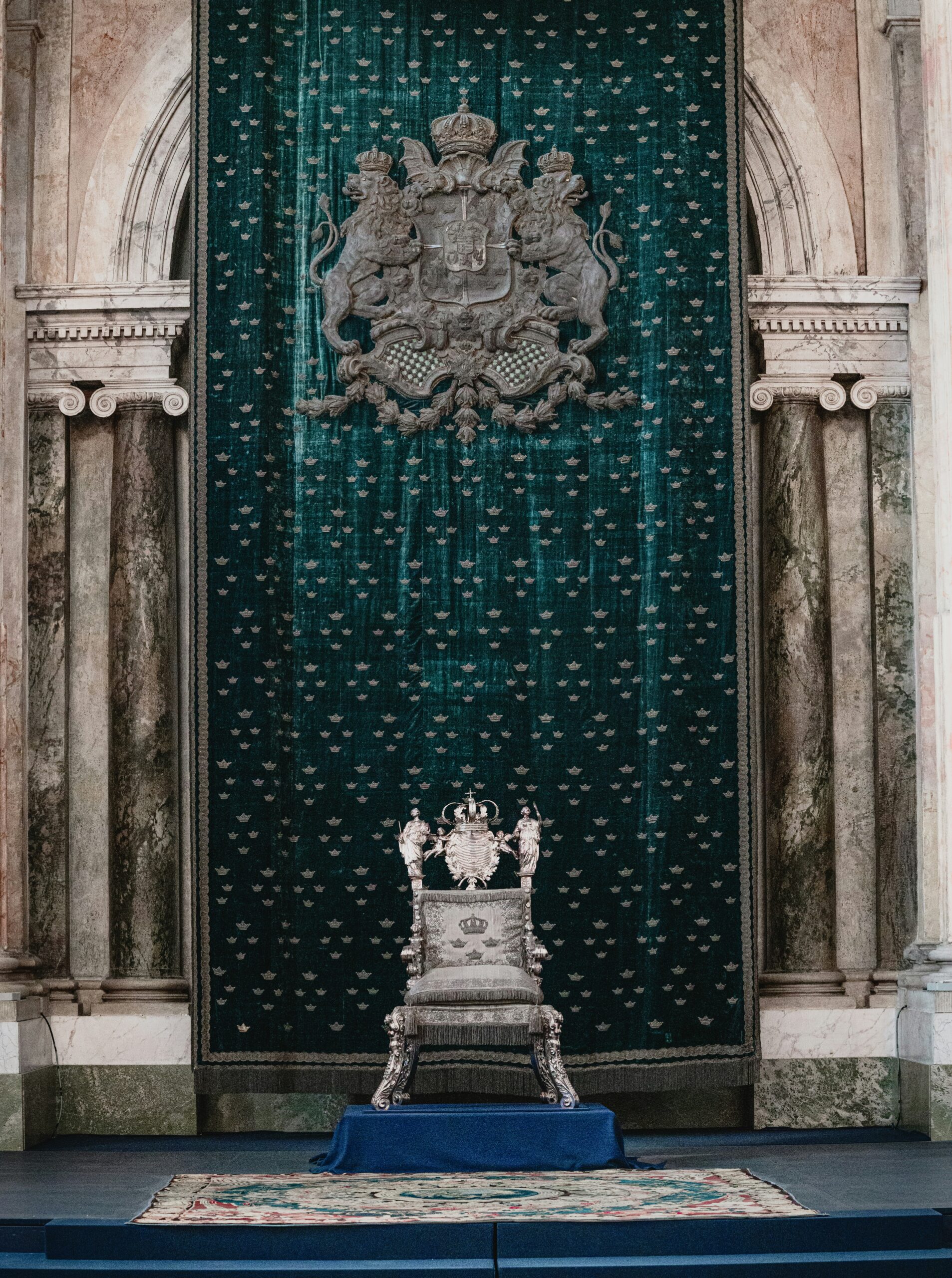
The grandeur of these prophecies would suggest that this Son of God would be born to royalty, be presented to the religious establishment of Judaism, and heralded to the people with great fanfare. And indeed, that is what the Jews in Jesus’day were expecting. Not to mention the fact that they hoped he would be the great king who, with divine powers, would break the yoke of Roman occupation.
But no.
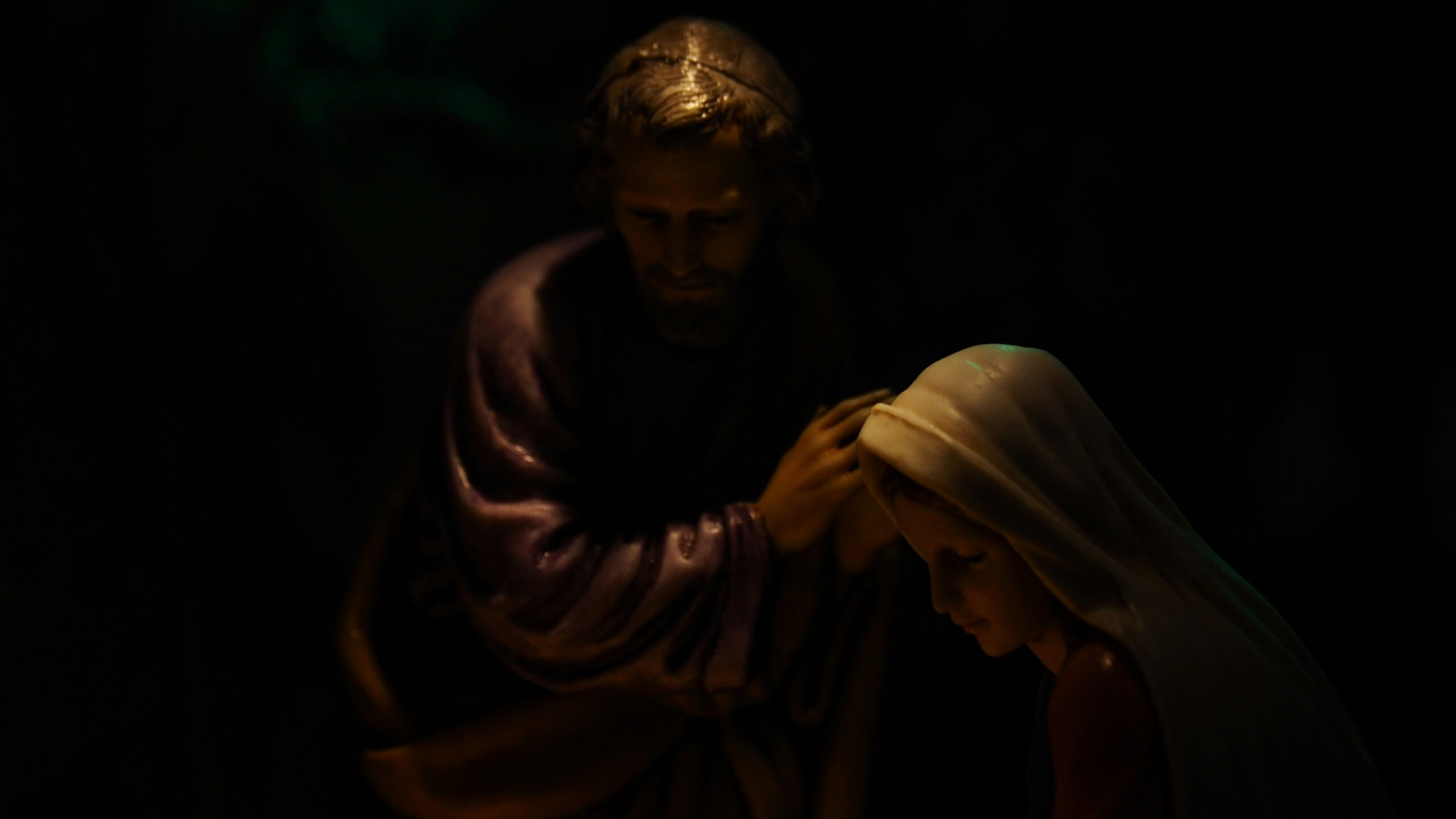
God chose a no-name, no fanfare couple living in a town of ill repute to carry and give birth to the Son who would be called Wonderful Counselor, Mighty God, Everlasting Father, and Prince of Peace. He chose them because they lacked the pretense of royalty and the rigidity of the religious establishment. They had open and obedient hearts, which is so often the case with people who don’t need to keep up religious or political appearances.
By God’s orchestration, the Roman Emperor Caesar Augustus ordered an empire-wide census around Mary’s due date. It forced them to go to Bethlehem, the hometown of Joseph’s tribe. But they got lost in the crowds who had poured in from here, there, and everywhere, and quickly found that the only place to stay was in the stable of an inn. Hardly the place for a medically responsible childbirth, especially not for the Son of God! Sometimes I wonder if they felt bad and apologetic toward God for birthing His kid in such a filthy place!
But it was all part of God’s stealthy plan.
While the populace was bustling around the little town, while Herod sat secure in his palace, enjoying the favor of the Roman Emperor, and while the Jewish Sanhedrin basked in their positions of prominence, God the Father snuck in the Savior of mankind – born as a vulnerable baby boy born in a stable – the least likely place you could ever think of. Far away from the public eye.
Least likely were also the people He chose to receive the birth announcements. The first group was shepherds – by all accounts rejects of society, simple, uneducated, and a bit smelly. Some Jewish Christians contend that these were Levites in charge of raising sheep for sacrifices, but the New Testament does not specify that, so I will leave it alone. I’d rather go with “God chose the foolish things of the world to shame the wise”(1 Corinthians 1:27).
They, too, had no pretenses and responded immediately to the birth announcement brought to them by angels by going to pay homage to the baby. Wouldn’t you, if choirs of angels brought you a message from God? Especially if your were looked down on by most others but apparently held in favor by God!
The second least likely group was Gentile stargazers from (presumably) Persia. Scholars believe they were Zoroastrians, Eastern mystics who possessed sophisticated astrological knowledge of historic events in relation to the position of stars. Christian tradition numbers them as three and even gave them names, but the Bible does not specify their number and what their names were. The only thing that matters is that they immediately recognized an unusually bright star not seen before as signifying the birth of a king, and decided to follow it. The origin of that star is mysterious, to say the least. Some point to historical records of an unusual alignment of planets around the time Jesus could have been born that would have appeared as a single bright star. Others believe the Star of Bethlehem to be a comet, since the Magi followed it, which led them to Jerusalem, and from there to Bethlehem. Apparently, it was a moving object in the sky. Whatever it was, they were the only ones who saw it and realized its significance. So much so that they bought expensive gifts and set out on a long, arduous journey, showing that you will sacrifice for what you believe has great worth.
By the time they arrived, Jesus and His parents had moved from a stable to an actual house. The gifts they brought had some significance – they were gold and spices used once upon a time in temple worship before the temple was plundered by the Babylonians. Could it be that true worship was returning – yet not to the temple but to the feet of the Savior Who would one day make believers His temple? True worship by Jews and Gentiles alike?
The clamor around the birth of Christ started when Herod found out from the Magi that a new king had been born. He reacted with fear and ordered the mass slaughter of male babies around Bethlehem, forcing Jesus and His parents to flee to Egypt and stay there until Herod’s death. An interesting sidenote is that we often forget they stayed there for several years. The Egyptian Coptic Church has kept ancient records, many based on what they believe is accurate oral tradition, that describe the holy family as having made a journey up the Nile of approximately 1,000 miles during which the little Savior performed several miracles.
He then returned from Egypt to Judea. For almost 3 decades, He stayed under the radar, unnoticed by the Jewish people and their authoritarian leaders, before He began His ministry in earnest.
So why all this stealth? Does Satan have so much power that God was afraid he would thwart His plan of redemption if he found out?
I don’t think so. There may be an element of that, but God is omnipotent and would have no problem blocking any attempt by Satan to derail His mission.
I think it has more to do with how we respond. He has the ability to be fearsome, loud, spectacular, and very visible. He often did so in the Old Testament. But something changed with the birth of Christ. Along with bringing a Savior into the world, God was seeking thirsty and meek hearts. Hearts that long for a revelation from above and are therefore attuned to God. Hearts without religious pretense that relish prominence or political power. Pretense, pride, and power are kryptonite to true worship and faith in God. Hearts that would recognize the wind of the Spirit and His gentle voice within.
Over time, those thirsty and pliable hearts would hunger for, and receive, revivals. they would leave it all behind and go into missions. They woul weather and endure persecution and martyrdom, gladly sacrificing all for what they deemed of supreme worth.
He still seeks thirsty hearts. Christmas can be a litmus test for our hearts’ condition. Do we value our annual traditions more than God’s stealthy moves around the birth of Christ to sneak a Savior into the world we still worship today? Or does the realization of all He orchestrated to bring us a Savior fill us with awe and wonder, leading us to heartfelt worship and giving Him our best?
Despite all the beautiful and enjoyable ambience of Christmas, I never cease to marvel at the way God became one of us. The most beautiful tree, the yummiest nog, or the most throughtful, heartwarming gift pale in comparison to the birth of Christ.
May you never lose your sense of wonder as you contemplate the incredible significance of God becoming one of us by stealth, so that today, also by stealth, we could be His temple and kingdom, until all is finally revealed when He returns in triumph and glory.
Photo by Ian Borg/Unsplash.com